


When it comes to heating water in your home, you might think all options are the same. But choosing between a hybrid and a tankless water heater can feel like picking the right teammate for your favorite game—each has its unique strengths and best fits different play styles. If you often find yourself battling with family over who gets to shower first, or if those morning routines leave you feeling like you’re on a race against the clock, it’s time to reconsider your hot water strategy. In this article, we’ll explore the ins and outs of hybrid and tankless systems, helping you figure out which option suits your lifestyle best while saving money and energy along the way. Let’s dive in!
Hybrid water heaters utilize a heat pump to generate hot water efficiently by extracting heat from the air, while tankless water heaters provide hot water on demand without storing it in a tank. The choice depends on your household’s hot water usage; hybrid models are generally more energy-efficient for larger demands, whereas tankless options save space and offer consistent hot water supply for smaller needs.
Overview of Hybrids & Tankless Water Heaters
Hybrid water heaters, as the name suggests, leverage a combination of technologies to offer efficient hot water solutions. They primarily utilize heat pump technology, which operates by extracting heat from the surrounding air and transferring it to the water. This method is notably energy-efficient because it reduces the amount of electricity required for direct heating. In fact, many models can be up to three times more efficient than conventional electric water heaters. Imagine saving money on your utility bills while enjoying consistent hot water; that’s precisely what hybrids can offer.
On the other hand, tankless water heaters provide an entirely different approach to water heating. Instead of storing warm water in a tank, they heat water on demand. As soon as you turn on the tap, cold water flows through a pipe into the unit where it is rapidly heated by powerful burners or electric elements. This means you never run out of hot water; however, if you’re running multiple taps at once, the flow rate may not be sufficient for high-demand situations.
By understanding how these systems function, it’s easier to see how they cater to different needs within a household.
When evaluating these two types of heaters, consider their respective advantages. Hybrid water heaters, with their efficient energy use and potential for lower operating costs, are ideal for families who regularly consume large amounts of hot water while wishing to minimize their carbon footprint. Their larger size may come with a higher upfront cost and requires appropriate space for installation—including clearance around the heat pump—making them suitable for homes with adequate room.
In contrast, tankless heaters shine during peak times when hot water demand spikes suddenly. Their compact design allows them to be installed in smaller locations around your home, providing convenience without needing significant alterations to your plumbing system. Moreover, they have longer lifespans than traditional options; with proper care, you can expect a tankless unit to last over 20 years.
Both options present great benefits based on your specific needs and preferences.
Selecting between hybrid and tankless water heaters comes down to understanding your daily habits and long-term goals regarding energy savings and convenience. Do you frequently run out of hot water during morning showers? A tankless model might be worth considering. If you’re focused on lowering your overall energy consumption while maintaining a steady supply of hot water for larger households, a hybrid could be a better fit.
As you weigh your options, consulting with experienced professionals like those at Fito Plumbers can provide invaluable insights tailored specifically for your home’s unique requirements.
With a clearer picture of each option’s features and advantages, let’s now turn our attention to a critical aspect: energy efficiency comparisons among these systems.
Comparing Energy Efficiency
Energy efficiency is a crucial factor for homeowners seeking to reduce their utility bills and environmental footprint. Hybrid water heaters stand out significantly in this regard, boasting an impressive energy factor (EF) of around 3.0. This means that for every unit of energy consumed, they can produce three units of hot water.
In contrast, tankless water heaters vary slightly depending on whether they are gas or electric. Gas models typically have an EF ranging from 0.9 to 0.99, while electric versions can reach up to 0.98.
At first glance, the numbers seem compelling but let’s take a deeper look at what they signify for you.
This discrepancy in energy efficiency translates into notable differences in annual operating costs. For example, the U.S. Department of Energy estimates that hybrid water heaters can have estimated annual energy costs between $100 and $250. Meanwhile, tankless gas heaters hover in the range of $170 to $200, and tankless electric options are even higher at about $250 to $300 per year.
Here’s a quick reference to digest:
| Heater Type | Energy Factor | Estimated Annual Energy Cost |
|---|---|---|
| Hybrid Water Heater | 3.0 | $100 – $250 |
| Tankless Gas Heater | 0.9 – 0.99 | $170 – $200 |
| Tankless Electric Heater | 0.98 | $250 – $300 |
Due to the higher energy efficiency ratings, hybrid units often result in lower electricity bills over time, making them a cost-effective choice for many households. However, this does not discount the advantages of tankless models; they elegantly eliminate standby heat loss since they only heat water as needed rather than maintaining a constantly heated reservoir.
Consequently, if your household’s hot water demand fluctuates significantly throughout the day, the flexibility of tankless heaters may prove advantageous, while consistent users may prefer the reliability of hybrids with their superior efficiency overall. Understanding the nuances between these systems will assist you as you consider factors like installation requirements and expenses for your next purchase.
Installation Costs and Processes
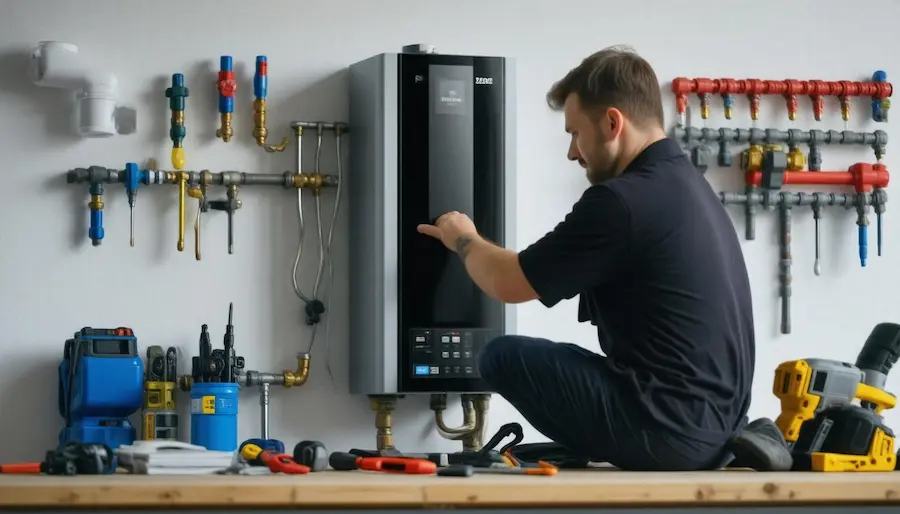
When considering a new water heater, the installation process can be just as significant as the purchase price itself.
For hybrid water heaters, some essential factors to keep in mind include the need for adequate space. In many cases, these units require more room than traditional water heaters to allow for proper airflow to function efficiently. As a result, if you’re looking at installing one in a smaller home or apartment, you may need to think creatively about where it fits.
Additionally, proper drainage for condensation is essential. Without access to an appropriate drain within a reasonable distance, the installation becomes either impractical or more expensive as additional plumbing work will be required.
Conversely, while tankless models are often touted for their compact size, they also introduce their own set of challenges.
For instance, tankless water heaters might necessitate updates to your home’s infrastructure, particularly your electrical system or gas lines. An older home may struggle to meet the demands of these efficient units due to outdated wiring or insufficient gas supply. This can lead to unforeseen expenses if electrical upgrades or larger gas lines need to be installed before the unit can be safely hooked up.
Hiring a professional plumber familiar with both types of systems can save time and ensure that installation meets local codes.
Investing in either type of heater involves understanding not just what initial costs you face but also any potential modifications needed during installation.
Moreover, while professional installation is typically recommended—for safety reasons and compliance with building codes—these services vary greatly in pricing depending on your location and the installer’s expertise. While you might save money by opting for a less experienced contractor, doing so could incur significant risks down the line if the installation isn’t executed correctly.
Therefore, it’s prudent to obtain multiple quotes from licensed professionals before committing. Look for reviews or ask for recommendations from trusted sources to ensure that you choose someone who emphasizes quality workmanship.
After navigating through these installation challenges, it becomes evident that whether you’re leaning towards a hybrid or tankless option depends heavily on your current living situation and willingness to invest not only in the units themselves but also in their effective integration into your home.¨C30C
Maintenance Requirements
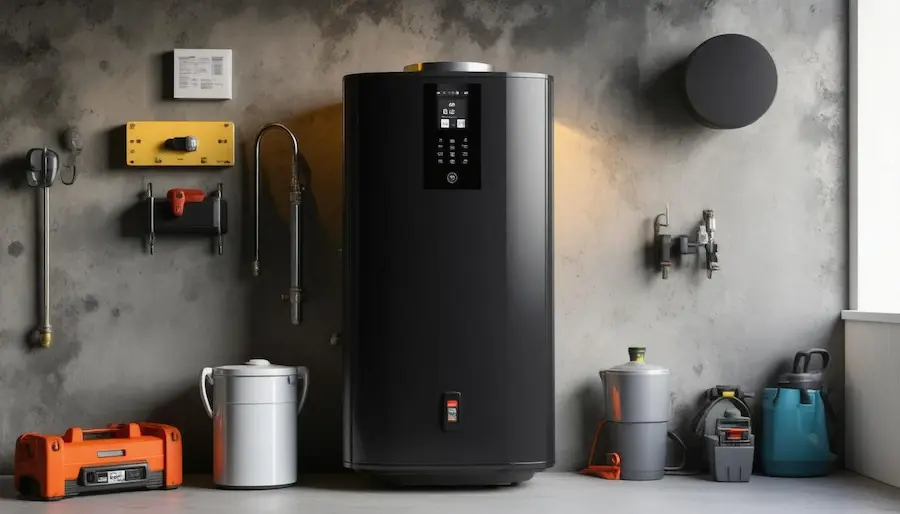
Understanding the maintenance needs of your water heater type plays a crucial role in keeping it running efficiently and extending its lifespan. Regular upkeep can save you from costly repairs down the line, and luckily, most tasks are straightforward and achievable without needing a professional plumber each time—although it’s always good to have help from experts when needed.
Hybrid Water Heater Maintenance
For hybrid water heaters, annual maintenance is essential. This includes cleaning filters to prevent dust and debris from obstructing airflow, which is vital since hybrid heaters rely on both electric elements and heat pumps. Additionally, checking for leaks around the connections and ensuring proper discharge from the unit can prevent small issues from escalating into larger problems. Because they contain more moving parts than traditional systems, regular inspections can highlight parts that may need replacing before they fail entirely.
“Routine checks not only keep my unit running but also provide peace of mind,” says one happy customer.
When performing hybrid maintenance:
- Clean or replace air filters to maintain optimum airflow.
- Inspect connections for any signs of leaks.
- Check the temperature and pressure relief valve for safe operation.
- Ensure nothing obstructs the inlet or outlet pipes.
Tankless Water Heater Maintenance
On the other hand, tankless water heaters demand their own specific kind of attention. Their maintenance largely revolves around managing mineral buildup, especially in areas with hard water. Flushing the system at least once a year is recommended to remove limescale and calcium deposits that can accumulate over time. This flushing process is simple: it involves using a descaling solution that passes through the heater, ensuring that efficient water flow is optimized.
“For homes with heavy water usage, I find annual flushes essential; it really keeps everything running smoothly,” shares another satisfied client.
The key steps for tankless maintenance include:
- Annual flushing to reduce mineral buildup.
- Inspecting the inlet filter or screen regularly; clean as necessary.
- Monitor the venting system for blockages or damage.
- Conduct routine checks of gas supply lines if applicable.
Prioritizing these maintenance tasks ensures that you’re not only maximizing efficiency but also maintaining safety in your home. A little diligence goes a long way in preventing potential emergencies like leaks and heating failures. Being proactive rather than reactive will extend the functionality of your water heater and create a more comfortable living environment year-round.¨C43C
Heating Capacity & Performance
When you’re evaluating water heaters, one of the most significant factors to consider is their heating capacity. This determines not just how much hot water you can access at any given moment, but also how efficiently that hot water is delivered to multiple outlets simultaneously.
Flow Rate
As mentioned, tankless water heaters shine in giving you hot water on demand. They’re rated by flow rate measured in gallons per minute (GPM), which tells you how quickly you can meet your needs. For instance, if you have a tankless heater rated at 4 GPM, it means that it can provide that amount of hot water continuously as long as it has an adequate cold water feed. This makes them ideal for homes with high demands for hot water, such as during morning routines when several family members might be showering or using appliances at once.
However, keep in mind that if two showers and a dishwasher are running simultaneously – unless the unit is highly rated or paired with additional units – you risk running low on hot water unexpectedly. In contrast, hybrid systems come equipped with a storage tank, meaning they can deliver larger volumes of hot water when needed because they store it ahead of time.
Overall, here’s how the flow rates typically measure up:
- Tankless Water Heaters: Typically provide 3 to 5 GPM—suitable for situations like taking a shower while running a dishwasher.
- Hybrid Water Heaters: Capable of handling multiple showers and appliances at once due to their stored reserves.
John D. from San Ramon, CA shared his experience: “We opted for a hybrid model from Fito Plumbers because of our large family and frequent simultaneous usage. It’s been a lifesaver!” This sentiment reflects how the right choice can transform household dynamics and prevent those awkward moments when hot water suddenly runs out.
The performance and heating capacity of your chosen system must align with your home’s specific hot water demands; understanding these factors is crucial as you move towards making an informed decision about your next heater.
Choosing the Right Heater for Your Home
When considering which water heater fits best in your home, there are a few key factors you should evaluate thoroughly. It’s not just about selecting between a hybrid and a tankless model; it’s about assessing your lifestyle, household dynamics, and even your home’s space constraints.
If you’re part of a larger family that enjoys long showers or runs multiple appliances at once, opting for a hybrid model might be the ideal decision. These systems utilize tank storage to ensure you have hot water ready when you need it most.
Imagine everyone rushing to get ready in the morning; having that extra reservoir of hot water can make all the difference. Conversely, if your household consists of one or two individuals with little time spent at home, tankless heaters may work efficiently in your favor. Their on-demand nature means they heat water as needed, allowing for greater space and energy savings.
Cost is crucial in your decision-making process. While tankless models may come with a higher upfront price tag, they often compensate through lower monthly energy bills over time due to their efficiency and compact size, making them an economical option in the long run for many homeowners. However, hybrids present an attractive solution if you’re more inclined towards storage capacity without needing all-day hot water access, as they also provide low running costs while offering significant heat storage.
Before you dive into purchasing a new heater, think about what additional plumbing services you might require for installation or maintenance. Regular upkeep ensures your water heaters run smoothly.
One invaluable step in this process is reaching out to professionals like Fito Plumbers for tailored advice suited specifically to your home and its unique requirements. Not only do we offer consultations to help you analyze your situation, but our professional installation services ensure you’ll have peace of mind knowing your system is set up correctly. Discover more about our offerings at FitoPlumbers.com.
In choosing between hybrid and tankless water heaters, understanding your household needs will guide you to the most suitable option for efficient and effective hot water consumption.