

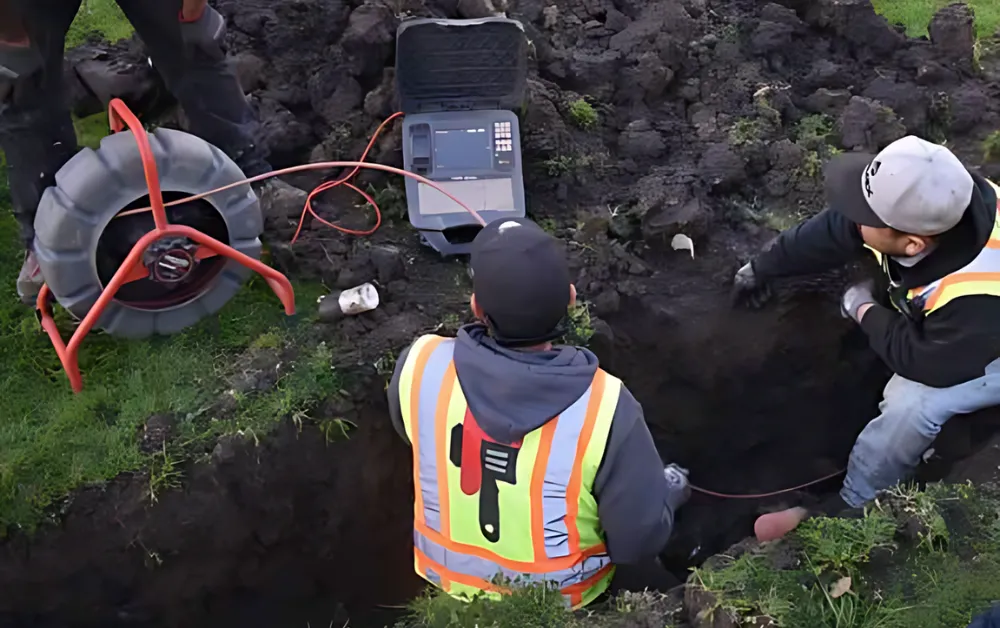
Dealing with sewer line issues can be a daunting task for any homeowner or property manager. From unexpected leaks to full-blown blockages, the need for effective sewer line repair is crucial to maintaining a healthy, functioning property. But what exactly does fixing a sewer line entail, and why is it so important?
Today I’m going to look into the nitty-gritty of sewer line repair, exploring the various methods available, from traditional to trenchless techniques, and why timely intervention is key to preventing environmental damage, health hazards, and costly future repairs.
I’ll guide you through recognizing the signs of sewer line damage, understanding common causes, and choosing the right repair method for your situation. Finally, hiring the right professional for the job is critical, and I’ll provide tips on what to consider to ensure your sewer line is in capable hands.
Whether you’re currently facing sewer woes or just keen on being prepared, this is my go-to resource for navigating the complexities of sewer line repair.
What is Sewer Line Repair?
Sewer line repair is a critical service aimed at addressing and fixing issues within the sewer lines of a property. These issues can range from blockages and leaks to breaks in the pipe itself, often caused by tree root intrusion, aging pipes, or shifting soil.
The primary goal of sewer line repair is to restore proper function to the sewage disposal system of a home or building, ensuring waste is efficiently and safely transported away from the property to municipal sewer systems or septic tanks.
Understanding the search intent behind sewer line repair reveals that property owners are typically seeking immediate solutions to prevent or resolve sewage backups, minimize health hazards, and avoid significant damage to their property’s foundation and landscaping.
The process may involve various techniques, from trenchless repairs that cause minimal disruption to the property, to more traditional methods requiring excavation. Efficient sewer line repair not only addresses the immediate concerns of blockages or leaks but also plays a crucial role in maintaining the overall health of a community’s water and sanitation system.
By ensuring that sewer lines are in good working order, property owners contribute to the prevention of environmental contamination and safeguard public health.
Why is Timely Sewer Line Repair Important?
Timely sewer line repair is crucial for preventing environmental damage, avoiding health hazards, and saving money in the long run. When sewer lines malfunction, there is a risk of sewage leaks contaminating the ground and water sources, posing serious environmental concerns. Moreover, these issues can lead to health hazards, as sewage can contain harmful bacteria and viruses.
Addressing sewer line problems promptly can prevent these risks and avoid more extensive and costly repairs down the line. Early intervention ensures the integrity of the property’s sewage disposal system, safeguarding the health of the community and the environment while also being a more cost-effective solution in the long term.
Prevents Environmental Damage
Prompt sewer line repair helps in preventing the contamination of soil and water sources, thus protecting the environment. By fixing leaks and breaks quickly, harmful substances are kept from seeping into the ground and reaching water bodies, which could lead to significant ecological issues.
Avoids Health Hazards
Addressing sewer line issues immediately helps avoid health risks associated with exposure to sewage. Sewage contains bacteria, viruses, and other pathogens that can cause diseases. Timely repairs ensure these harmful contaminants are contained and properly managed, safeguarding public health.
Saves Money in the Long Run
Early detection and repair of sewer line problems can significantly reduce the cost of repairs. Delayed maintenance often leads to more severe damage, requiring more extensive, time-consuming, and expensive repair work. Investing in prompt repairs prevents minor issues from escalating, leading to substantial savings over time.
What are the Signs that a Sewer Line Needs Repair?
Recognizing the signs that a sewer line needs repair is crucial for addressing issues before they escalate. Frequent backups or blockages indicate a problem within the sewer line that requires immediate attention. Unusual odors near drains or on the lawn can signal a break or leak in the sewer pipe, releasing sewage gases.
Soggy or unusually green patches in the yard may be a sign of a sewage leak enriching the soil in specific areas, making it overly fertile. Lastly, an increased pest presence can be attributed to sewer line damage, as rodents and insects are attracted to the sewage. Identifying these signs early can help prevent more significant damage and ensure the sewer system operates efficiently.
For example, a homeowner ignored persistent unusual odors near their lawn, considering them a minor inconvenience. Over time, this negligence led to a major sewage backup, causing extensive property damage and costly repairs. This case study underscores the importance of early detection and intervention when encountering potential signs of sewer line issues.
Frequent Backups or Blockages
Frequent backups or blockages in your plumbing system often signal a deeper issue within the sewer line. These occurrences suggest that wastewater is not flowing away from your property as it should, indicating obstructions or damage in the sewer pipes.
Unusual Odors Near Drains or Lawn
The presence of unusual odors near drains or on the lawn is a clear indication that the sewer line may be compromised. These odors, often resembling sewage or rotten eggs, point to leaks or breaks in the sewer system allowing gases to escape.
Soggy or Unusually Green Patches in the Yard
Noticing soggy or unusually green patches in the yard can be a sign of a sewer line leak. Sewage acts as a fertilizer for vegetation, leading to overgrowth in affected areas. Additionally, excess moisture from leaks can create soggy spots on the property.
Increased Pest Presence
An increased presence of pests such as rodents and insects could indicate a breach in the sewer line. Sewer lines provide an entry point for pests into your home and can attract them if damaged, leading to potential infestations.
What are the Common Causes of Sewer Line Damage?
Sewer line damage can be attributed to several factors, each capable of disrupting the normal function of sewage disposal systems. Understanding these common causes can help in preventing sewer line issues before they escalate into major problems. Here’s a detailed look at the primary causes of sewer line damage:
| Cause | Description | Typical Impact | Preventive Measures |
|---|---|---|---|
| Tree Root Intrusion | Roots seeking moisture can break into sewer lines, causing blockages or damage. | Can lead to significant blockages or structural damage, necessitating immediate repair actions. | Regular inspection and maintenance, installing barriers to deter root growth. |
| Aging Pipes and Corrosion | Over time, pipes can weaken due to corrosion or the natural aging process. | Susceptible to leaks, cracks, and eventual failure, compromising the system’s efficiency. | Replace old pipes with corrosion-resistant materials, periodic inspections. |
| Ground Movement or Earthquakes | Shifts in the soil can lead to pipe misalignment or breakage. | Severe damage requiring comprehensive repairs to restore functionality. | Earthquake-resistant construction, flexible pipe materials. |
| Buildup of Grease or Foreign Objects | Accumulation within sewer lines can create blockages, increasing internal pressure. | Potential for cracks or bursts in the pipes, highlighting the need for preventive measures. | Avoid disposing of grease down the drain, use drain guards to catch debris. |
Tree Root Intrusion
Tree root intrusion is a primary cause of sewer line damage. This intrusion disrupts the smooth flow of wastewater and necessitates immediate repair actions.
Aging Pipes and Corrosion
Aging pipes and corrosion are significant contributors to the deterioration of sewer lines, becoming susceptible to leaks, cracks, and eventual failure.
Ground Movement or Earthquakes
Ground movement or earthquakes can exert undue stress on sewer lines, causing misalignment or breakage, leading to severe damage.
Buildup of Grease or Foreign Objects
The buildup of grease or foreign objects within sewer lines can create stubborn blockages, leading to potential damage.
What are the Traditional Methods for Sewer Line Repair?
Traditional methods for sewer line repair often involve open trench or excavation techniques, where the ground above the damaged pipe is dug up to allow for direct access. This process includes removing damaged sections of the sewer line and replacing them with new pipes. Although effective, this method can be time-consuming and disruptive, affecting landscaping and requiring significant restoration work post-repair.
Pipe replacement is another traditional approach, entailing the complete removal of old pipes and the installation of a new piping system. These methods, while reliable, often necessitate a considerable amount of labor and can be costly due to the extensive excavation and restoration required.
| Method | Description | Depth & Size of Trench | Average Time | Average Cost | Comparison with Trenchless |
|---|---|---|---|---|---|
| Open Trench or Excavation | Digging down to the sewer line for direct access to the damaged area. | Varies based on location and damage, typically 4-6 feet deep and wide enough for safe access. | 1-2 weeks | High, due to labor and restoration of landscaping. | More disruptive and often more expensive than trenchless methods. |
| Removing Damaged Sections | Damaged pipes are carefully removed to prepare for the installation of new materials. | Dependent on the extent of damage; trench size matches the section being replaced. | Part of overall repair time | Included in total repair cost | More time-consuming compared to trenchless repairs that may not require section removal. |
| Replacing with New Pipes | New piping replaces the compromised sections. | Trench size tailored to the length and diameter of new pipes. | Part of overall repair time | Included in total repair cost | Trenchless methods like pipe lining can be faster and less costly over time. |
| Pipe Replacement | Removing and replacing larger sections or the entire sewer line. | Extensive, covering the length of the pipe being replaced. | 2-4 weeks | Very high, due to extensive excavation and restoration. | Significantly more disruptive and expensive compared to trenchless solutions. |
| Complete Removal of Old Pipes | Entire old pipes are excavated and removed. | Extensive, similar to pipe replacement. | 2-4 weeks | Highest, includes removal and replacement costs. | Most disruptive and costly, with trenchless methods offering less invasive alternatives. |
| Installation of New Piping System | Laying down new pipes to create a fully functional sewer system. | Extensive, as it involves complete system overhaul. | 2-4 weeks | Included in pipe replacement cost | Trenchless methods like pipe bursting replace pipes with less disruption and potentially lower costs. |
Traditional sewer line repair methods, while effective for certain situations, often come with higher costs and longer repair times due to the need for extensive excavation and subsequent restoration work. Trenchless repair techniques, by comparison, offer a less invasive, faster, and often more cost-effective solution for many sewer line issues.
What are the Trenchless Methods for Sewer Line Repair?
Trenchless methods for sewer line repair offer a less invasive alternative to traditional excavation, minimizing disruption to the surrounding environment. Pipe lining and pipe bursting are the two primary trenchless techniques. Pipe lining involves inserting a resin-coated liner into the existing sewer line, which is then cured in place to form a new pipe within the old one, effectively sealing off leaks and preventing further damage.
Pipe bursting, on the other hand, involves breaking the old pipe while simultaneously pulling in a new pipe, replacing the damaged section without the need for extensive excavation. These trenchless methods are favored for their efficiency, cost-effectiveness, and minimal impact on the property, making them an ideal choice for sewer line repairs in both residential and commercial settings. To enhance understanding, let’s consider the specifics of each method, including the technologies used and their benefits, through a detailed comparison table:
| Method | Technology Used | Process | Benefits |
|---|---|---|---|
| Pipe Lining | Epoxy or polyester resin-coated liner | 1. Inspection and cleaning of existing pipes. 2. Insertion of the resin-coated liner. 3. Curing the liner to harden and form a new pipe. | – Less disruptive to landscape. – Can be completed quickly. – Extends the life of existing pipes. – Effective for repairing leaks and preventing root intrusion. |
| Pipe Bursting | Hydraulic or pneumatic bursting head and HDPE pipe | 1. Making small access holes at both ends. 2. Bursting the old pipe with a bursting head. 3. Pulling the new pipe into place. | – No need for extensive excavation. – Allows for the replacement of pipes with severe damage. – Can increase flow capacity with larger diameter pipes. – Suitable for a variety of soil conditions. |
Case Studies and Before-and-After Scenarios
Case Study 1: Residential Pipe Lining
- Situation: A homeowner was experiencing frequent backups due to small leaks and root intrusion in their aging sewer line.
- Action: The contractor performed a pipe lining procedure, inserting a resin-coated liner to seal the leaks and prevent further root intrusion.
- Result: The repair was completed in one day with minimal disruption to the homeowner’s yard, effectively restoring the sewer line’s functionality.
Case Study 2: Commercial Pipe Bursting
- Situation: A commercial property needed to replace an old, corroded sewer line that was causing repeated blockages.
- Action: A pipe bursting method was chosen to replace the entire line without excavating the parking lot.
- Result: The new HDPE pipe provided a long-lasting solution with improved flow, completed in just a few days with minimal impact on the business operations.
How does Pipe Lining Work?
Pipe lining, a cornerstone of trenchless rehabilitation techniques, revitalizes damaged sewer lines with minimal disruption. The process initiates with the inspection and cleaning of the existing pipes to ensure a debris-free environment, optimal for lining. Subsequently, a resin-coated liner is meticulously inserted into the sewer line.
This liner undergoes a curing process, typically utilizing heat or UV light, to solidify the resin. Through this curing, the liner morphs into a sturdy, seamless pipe within the old pipe, effectively mending any leaks or impairments. Pipe lining not only prolongs the lifespan of sewer lines but also enhances their functionality, all while circumventing the need for extensive digging.
Inspection and Cleaning of Existing Pipes
The initial step in the pipe lining process is a comprehensive inspection and cleaning of existing pipes. This critical phase ensures the removal of all debris, blockages, and residues, employing high-pressure water jets or mechanical tools to prepare the pipes for the liner insertion.
Insertion of the Liner
After ensuring the pipes are clean and clear, the insertion of the liner follows. This liner, pre-coated with a specially formulated resin, is meticulously introduced into the sewer line. It is engineered to conform precisely to the interior contours of the existing pipe, enveloping any defects uncovered during the inspection.
The types of resin used can vary, including epoxy, vinyl ester, and polyester, each selected based on the specific requirements of the repair.
Curing Process to Harden the Liner
Concluding the procedure is the curing process to harden the liner. This critical phase solidifies the resin, utilizing heat, UV light, or natural ambient conditions to cure. The average curing time can range from a few hours to a day, depending on the resin type and the method used.
The result is a robust, seamless pipe within the old structure, reinforcing the integrity and functionality of the sewer line. The lifespan of lined pipes can extend up to 50 years, offering a long-term solution to sewer line issues.
How does Pipe Bursting Work?
Pipe bursting is a trenchless method designed to replace old, damaged sewer lines without the need for extensive excavation. The process begins with making small access holes at both ends of the section being replaced, minimizing the disturbance to the surrounding area. A bursting head, attached to the replacement pipe, is then inserted into the old pipe.
This bursting head is a crucial piece of machinery, specifically designed to break the old pipe apart while simultaneously pulling in a new pipe behind it. The technique is highly efficient, allowing for the replacement of sewer lines with minimal disruption to the landscape. Pipe bursting is particularly beneficial when the existing pipe is beyond simple repair and requires a complete replacement.
Making Small Access Holes at Both Ends
The process starts by making small access holes at both ends of the damaged pipe section. These access points are strategically placed to allow the insertion and retrieval of the bursting head and the new pipe, significantly reducing the need for large-scale excavation.
Bursting the Old Pipe with a Bursting Head
A bursting head is then introduced into the sewer line through one of the access holes. This tool is engineered to break apart the old pipe from the inside, clearing the path for the new pipe. The design and size of the bursting head depend on the diameter and material of the pipe being replaced, ensuring a clean break without damaging the surrounding soil structure.
Pulling the New Pipe into Place
As the bursting head progresses, it pulls the new pipe into position, replacing the old, damaged sewer line. The new pipe, typically made from durable materials like High-Density Polyethylene (HDPE), is selected based on its compatibility with the existing sewer system and the ground conditions. This method is suitable for a wide range of pipe sizes and types, including those in challenging locations or under buildings, roads, or landscaped areas.
Pipe bursting is favored for its ability to efficiently replace sewer lines with minimal disturbance to the ground surface. It is an ideal solution for urban areas or in situations where preserving the existing landscape is a priority. The machinery used in pipe bursting is specialized for this technique, capable of handling various pipe materials and ground conditions, ensuring a successful replacement with a long-lasting new pipe.
What are the Advantages of Trenchless Sewer Line Repair?
Trenchless sewer line repair offers several key advantages over traditional repair methods, making it a preferred choice for many property owners and municipalities. One of the primary benefits is less landscape disruption, as these methods require minimal excavation, preserving yards, driveways, and sidewalks. Additionally, trenchless repairs are known for faster repair times, significantly reducing the inconvenience to homeowners and the public.
This approach is also often more cost-effective in the long run; although the initial investment might be higher, the reduced labor costs and minimal landscape restoration work can make it a more economical option overall. Moreover, trenchless methods provide longer-lasting repair solutions, with materials used in pipe lining and bursting offering greater durability and resistance to future problems. These advantages make trenchless sewer line repair a compelling option for addressing sewer line issues efficiently and effectively.
| Feature | Trenchless Repair | Traditional Repair |
|---|---|---|
| Landscape Disruption | Minimal; typically requires only small access holes. | Significant; involves extensive excavation across the property. |
| Repair Time | Often completed within a day. | Can take several days to weeks, depending on the extent of damage. |
| Cost-Effectiveness | Higher initial cost but lower overall due to reduced labor and no landscape restoration needed. | Lower initial cost but higher overall due to extensive labor and landscape restoration. |
| Durability of Repair | Uses materials like cured-in-place pipe (CIPP) that can last 50 years or more. | Depends on materials used; traditional materials may not last as long as trenchless options. |
| Environmental Impact | Reduced; less soil disturbance and reduced risk of contaminating groundwater. | Higher; extensive soil disturbance and potential for contaminating groundwater. |
Less Landscape Disruption
Trenchless sewer line repair methods, such as pipe lining and pipe bursting, significantly reduce landscape disruption. Unlike traditional excavation techniques, these methods necessitate only minimal digging, thus preserving the aesthetic and structural integrity of lawns, gardens, driveways, and sidewalks. This benefit is especially valued by property owners keen on maintaining their property’s appearance and avoiding the extensive damage associated with large-scale excavations.
Faster Repair Times
A notable advantage of trenchless repair techniques is the faster repair times they offer. By circumventing the need for extensive excavation, repairs can be completed swiftly, often within a single day. This rapid turnaround minimizes inconvenience for residents and reduces the interruption of critical sewer services, facilitating a quicker return to daily routines.
Often More Cost-Effective in the Long Run
Although the upfront cost of trenchless sewer line repairs might surpass that of traditional methods, they are often more cost-effective in the long run. Factors such as reduced excavation needs, decreased labor requirements, and minimal necessity for post-repair landscape restoration contribute to overall cost savings. Moreover, avoiding potential structural damage to adjacent properties or infrastructure can lead to substantial financial savings.
Longer-Lasting Repair Solutions
Trenchless repair methods yield longer-lasting repair solutions. The use of advanced, durable materials in procedures like pipe lining ensures resistance to common sewer line issues, including root intrusion and corrosion. These cutting-edge materials and methods significantly extend the life expectancy of sewer lines, providing a more enduring solution compared to traditional repair approaches.
How to Choose the Right Repair Method?
Choosing the right sewer line repair method involves a careful assessment of the damage’s extent and a clear understanding of the situation’s specific needs. Factors such as the location and depth of the sewer line, along with the accessibility for machinery, significantly influence the choice of repair method. Additionally, considering the impact on the surrounding area and budget considerations—weighing the initial costs against the long-term benefits—is crucial in making an informed decision.
Consulting with professionals who specialize in trenchless methods can offer valuable insights and tailored recommendations, ensuring the most effective repair strategy is selected.
| Factor | Pipe Lining | Pipe Bursting | Complete Pipe Replacement |
|---|---|---|---|
| Extent of Damage | Minor damage, such as small leaks or cracks | Severe damage where the pipe structure is compromised | Extensive damage or aging pipes needing full replacement |
| Location and Depth | Suitable for pipes under landscapes or buildings | Effective for deeper pipes with difficult access | Required for shallow or easily accessible pipes |
| Accessibility for Machinery | Minimal machinery required, ideal for restricted areas | Requires access for bursting equipment, feasible in more open areas | Extensive excavation needed, best where access is not an issue |
| Impact on Surrounding Area | Minimal disruption, preserving landscape and structures | Moderate disruption, with small access pits needed | Significant disruption, affecting large areas of landscape |
| Budget Considerations | Higher initial cost but less restoration needed | Cost-effective for suitable damage levels, minimal landscape restoration | High cost due to excavation and restoration work |
| Initial Cost vs. Long-Term Benefits | Higher upfront cost, but savings on restoration and long-term durability | Balanced initial investment with durable results and some restoration savings | Highest initial cost, with potential for extensive restoration expenses |
Assess the Extent of Damage
Evaluating the extent of damage is the foundational step in choosing the right repair method. This critical assessment determines the severity of the issue and guides the selection towards the most suitable solution.
Minor Damage Might Only Need Lining
For cases of minor damage, such as small leaks or cracks, pipe lining may be the optimal choice. This method offers a less invasive way to restore the sewer line’s integrity without the need for extensive excavation or complete replacement.
Severe Damage May Require Bursting or Replacement
When facing severe damage, more comprehensive measures like pipe bursting or complete pipe replacement may be necessary. These approaches are considered for extensive damage that is beyond the repair scope of simpler techniques.
Consider the Location and Depth of the Sewer Line
The location and depth of the sewer line are pivotal in determining the appropriate repair method. The feasibility of each option depends on the accessibility and potential disruption to the surrounding environment.
Accessibility for Machinery
The accessibility for machinery is a key factor in the decision-making process. The repair method must be compatible with the logistical requirements of transporting and operating necessary equipment on site.
Impact on Surrounding Area
Considering the impact on the surrounding area is essential. The selected repair method should aim to minimize disturbance to the property, landscaping, and nearby structures, preserving the area’s overall well-being.
Budget Considerations
Budget considerations play a crucial role in selecting a sewer line repair method. It’s important to evaluate the cost-effectiveness of the repair, balancing the expenses with the anticipated outcomes.
Initial Cost vs. Long-Term Benefits
Analyzing the initial cost versus the long-term benefits is vital. Although some methods may present higher upfront costs, their durability and efficiency can provide superior value over time, rendering them a more economical choice in the long run.
What to Consider When Hiring a Professional?
When hiring a professional for sewer line repair, it’s crucial to consider several key factors to ensure the job is done efficiently and effectively. Experience and qualifications are paramount; look for a professional with a solid track record in sewer repair, particularly in the method you’re considering. A specialist in trenchless methods may be preferable if you’re looking to minimize disruption.
Ensure they have the necessary licensing and insurance to perform the work, protecting you against any liability. Verify their credentials are valid and current, reflecting their expertise in the field. Reviews and references can provide insight into their reliability and the quality of their work.
Feedback from previous customers, especially those with similar repair needs, can offer valuable perspectives on their satisfaction with the service provided. Finally, examining before and after project examples can give you a concrete sense of their capabilities and the results you can expect for your own project.
Experience and Qualifications
Prioritizing experience and qualifications is essential when choosing a professional for sewer line repair. Opt for a provider with a robust background and specific training in modern sewer repair techniques to ensure quality service.
- Certifications to Look For: Seek professionals with certifications from recognized industry organizations, such as the National Association of Sewer Service Companies (NASSCO) or similar.
- Questions to Ask: Inquire about their experience with your specific problem, the number of similar projects they’ve handled, and their success rate.
Specialization in Trenchless Methods
If minimal disruption is a goal, consider a professional’s specialization in trenchless methods. Experts in these innovative techniques can deliver efficient repairs without significant excavation.
- Questions to Ask: Ask about the types of trenchless repair methods they specialize in and their experience with each technique.
Licensing and Insurance
Confirm the professional has the necessary licensing and insurance. This not only verifies their legitimacy but also safeguards you against potential liabilities during the repair process.
- Valid and Current Credentials: Check that their licensing is specific to sewer repair and that their insurance covers potential damages to your property.
Reviews and References
Reviews and references offer invaluable insights into a professional’s reliability and work quality. Positive feedback from past clients can affirm their ability to meet your repair needs effectively.
- Feedback from Previous Customers: Request contact information for previous clients with similar repair needs to gauge satisfaction levels and the quality of work.
Before and After Project Examples
Evaluating before and after project examples offers a tangible sense of what the professional can achieve. This visual proof can aid significantly in making an informed hiring decision.
- What to Look For: Examine the complexity of past projects, the quality of the finish, and how closely the outcomes align with your expectations.
Competitive Quote Analysis
Understanding what constitutes a competitive quote is crucial. It should detail the repair method, materials used, timeline, and cost breakdown.
- Questions to Ask: Request an itemized quote and compare it with estimates from other professionals. Ask about any potential additional costs that could arise during the repair process.
By considering these enhanced factors when hiring a professional for sewer line repair, you can make a more informed decision, ensuring that your sewer line is repaired efficiently, effectively, and with minimal disruption.