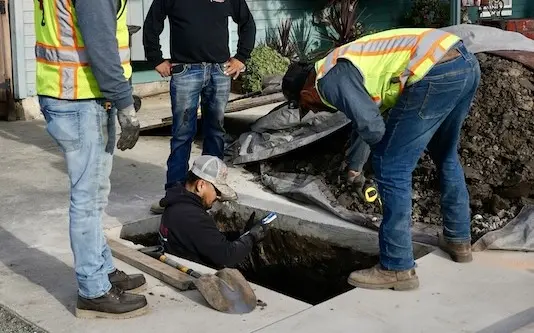
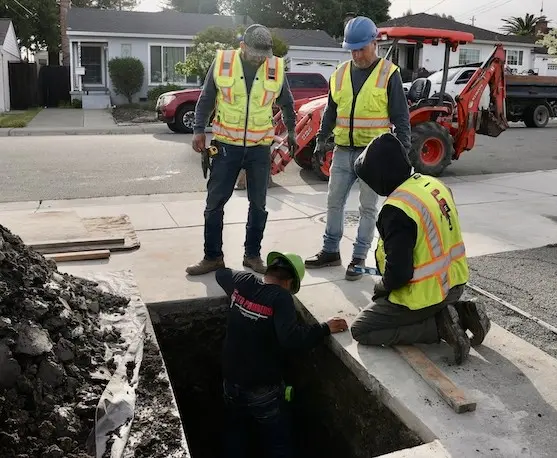
A private sewer lateral is the section of sewer pipe that runs from your home or building to the connection point with the public sewer main, typically located in the street or an easement. Unlike the public sewer system maintained by your municipality, the private sewer lateral is the property owner’s responsibility. This includes the pipe itself, any cleanouts, and connections. Understanding your responsibility for this critical component of your plumbing system is essential for avoiding costly repairs and compliance issues.
Many local jurisdictions have enacted Private Sewer Lateral ordinances to reduce sewage overflows and protect public health and the environment. These ordinances typically require property owners to have their sewer lateral inspected and, if necessary, repaired or replaced to meet current standards. Compliance is usually mandatory when selling a property, but some cities also require certification during major renovations, after repeated sewer backups, or when applying for certain permits. Requirements vary by city, so it is important to understand the specific regulations that apply to your property.